
Raised Bed Gardens: The Solution for Seniors Who Garden
Disclosure: Some of the links in this article may be affiliate links, which can provide compensation to me at no cost to you if you decide to purchase.
Why Raised Garden Beds are the Solution for Seniors who Garden
As both a physical therapist and a master gardener, I’ve seen firsthand how gardening can heal the body, calm the mind, and restore a sense of purpose. But I’ve also seen many people give it up because traditional gardening simply becomes too hard on the body.
Bending over ground-level beds, kneeling for long periods, twisting while weeding, and lifting heavy pots can place tremendous stress on the spine, hips, knees, and shoulders.
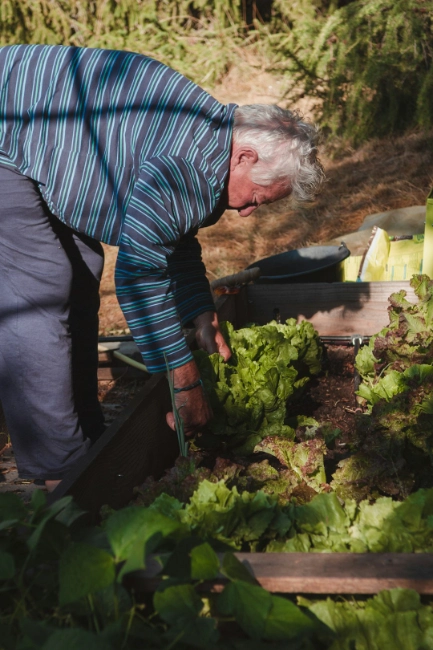
For seniors, people recovering from injuries, individuals with arthritis, or anyone dealing with chronic back pain, traditional gardening can quickly turn from therapeutic to painful.
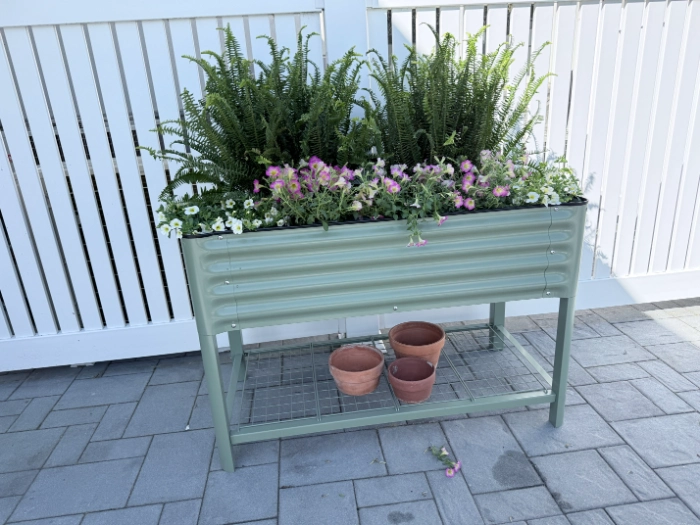
That’s why I’m such a strong advocate for elevated garden beds like this one from VEGO Garden.
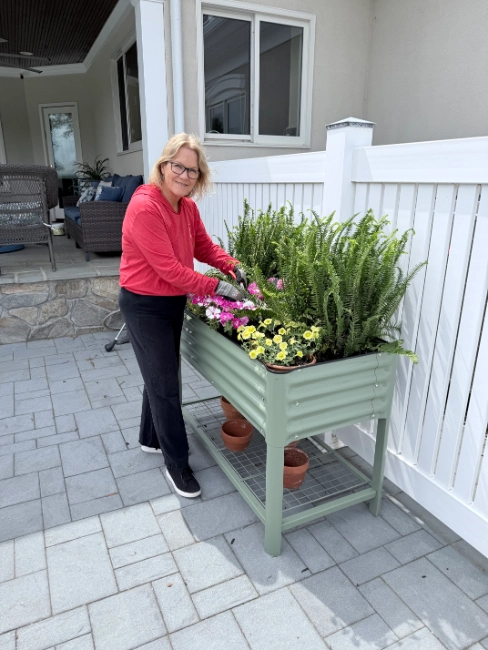
The beauty of elevated gardening is that it keeps people gardening longer, safer, and with far less physical strain. Look how happy I am gardening without pain.
Use my code at checkout for $10 off inthegardensue10
Gardening Without the Pain
One of the biggest advantages of elevated garden beds is simple ergonomics.
Traditional gardening requires repeated:
Forward bending
Deep squatting
Kneeling
Twisting
Reaching from awkward positions
From a physical therapy perspective, these repetitive movements are exactly what aggravate:
Low back pain
Knee arthritis
Hip stiffness
Shoulder strain
Balance problems
An elevated garden bed raises the working height closer to your body’s natural standing position.
That means:
Less stress on the lumbar spine
Reduced compression on arthritic knees
Less strain on hips and shoulders
Better posture while gardening
Less fatigue overall
For many people, that difference is what allows them to continue gardening independently.
The University of Minnesota Extension notes that raised beds improve accessibility and create a more comfortable working level for gardeners. They specifically mention that raised beds can be designed for wheelchair accessibility and reduced physical strain.
Injury Prevention Matters More Than People Realize
As a physical therapist, I often remind patients that many gardening injuries are preventable.
The most common gardening-related injuries I see include:
Lumbar muscle strains
Sciatica flare-ups
Knee inflammation
Rotator cuff irritation
Falls during uneven ground work
Elevated beds help reduce injury risk because they encourage:
Neutral spine positioning
Better balance
Shorter reaching distances
Safer body mechanics
Use my code at checkout for $10 off inthegardensue10
This is especially important for older adults who may already have decreased flexibility, osteoporosis, joint replacements, or balance impairments.
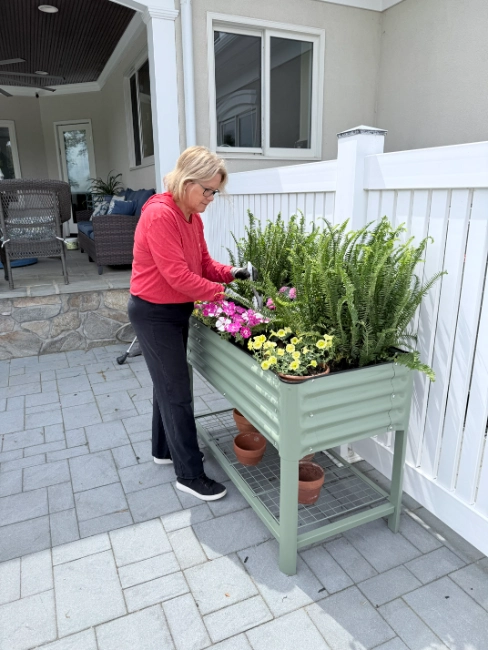
The VEGO Garden elevated design also reduces the need to transition repeatedly from standing to kneeling and back up again — something that becomes increasingly difficult with age or mobility limitations.
The University of Minnesota Extension raised bed guide recommends a height of at least 27 inches for wheelchair users to improve comfort and accessibility. Vego Garden bed stands at 32 inches with the wheels on.
The Physical and Mental Health Benefits of Gardening Are Backed by Research
Gardening is not just about growing flowers or vegetables. Research increasingly supports gardening and horticultural therapy as powerful tools for improving physical and emotional health.
A large systematic review published through PubMed Central analyzed studies involving older adults and found horticultural therapy improved:
Physical function
Quality of life
Mood
Emotional well-being
Social engagement
Researchers concluded that gardening activities may significantly improve both physical and psychological health in older adults.
Another systematic review published in the Journal of the American Medical Directors Association found that horticultural therapy positively impacts cognitive health, emotional well-being, and physical activity levels in older adults.
As someone who works in rehabilitation, I’m not surprised by these findings at all.
Gardening naturally encourages:
Gentle movement
Functional mobility
Hand coordination
Balance
Walking
Stress reduction
Time outdoors and sunlight exposure
It’s one of the rare activities that combines physical exercise, creativity, mindfulness, and purpose all at once.
Why Raised Beds Are Perfect for Small Spaces and Urban Gardening
One of the things I love most about elevated beds like this VEGO Garden planter is their versatility.
You don’t need a huge backyard to garden anymore.
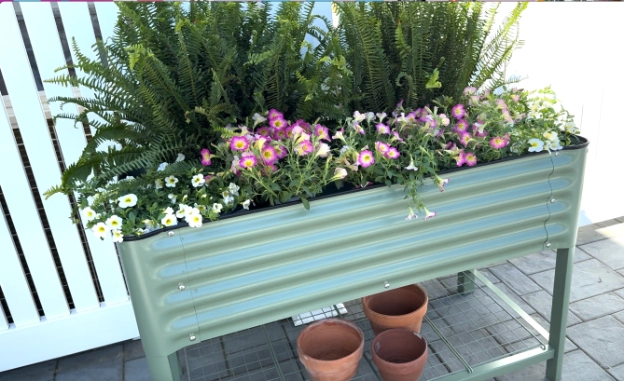
Elevated garden beds work beautifully in:
Small patios
Decks
Courtyards
Townhomes
Condos
Urban homes
Retirement communities
For many people living in smaller spaces, elevated gardening makes growing flowers, herbs, or vegetables possible where traditional gardening simply isn’t practical.
Use my code at checkout for $10 off inthegardensue10
The clean, organized appearance is another reason people love them. Elevated metal beds create structure and beauty while maximizing growing space in compact areas.
According to the Utah State University Extension, raised beds are an efficient way to grow more food in less space and are especially beneficial in urban areas or locations with poor soil quality.
Why Metal Elevated Beds Like VEGO Garden Work So Well
From both a gardening and accessibility standpoint, I appreciate several things about the Vego elevated metal garden beds.
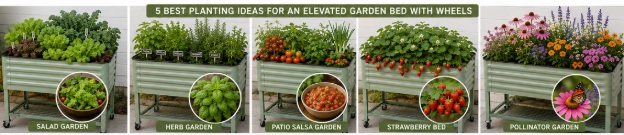
Comfortable Working Height
The elevation makes gardening far more comfortable for people with:
Arthritis
Joint replacements
Spinal stenosis
Chronic pain
Limited mobility
Better Drainage
Plants thrive because excess water drains more efficiently than in many ground gardens.
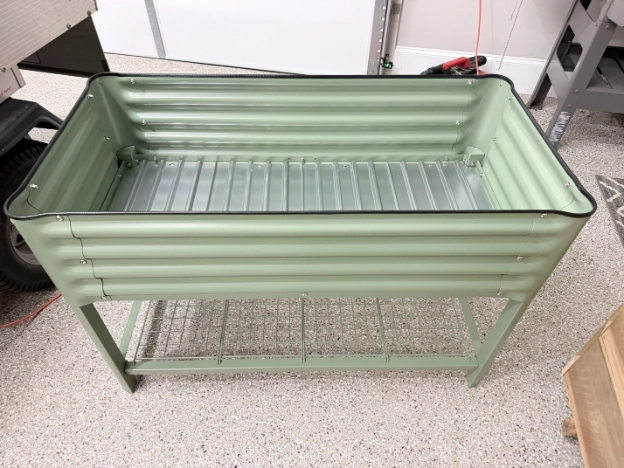
Cleaner Gardening
You avoid muddy shoes, compacted soil, and many ground pests.
Easier Maintenance
Weeding, pruning, and harvesting become far less physically demanding.
Attractive Design
Elevated beds look polished and organized, especially in modern outdoor spaces.
Extended Gardening Years
This may be the most important benefit of all.
Many older adults stop gardening not because they lose interest — but because their bodies can no longer tolerate traditional gardening methods.
Raised beds help people continue doing something they love.
And that matters deeply.
Use my code at checkout for $10 off inthegardensue10
Gardening Should Be Accessible to Everyone
One thing I’ve learned over the years is this:
People thrive when they can continue meaningful activities.
Gardening provides:
Purpose
Routine
Creativity
Physical movement
Emotional connection
Stress relief
Accessible gardening solutions like elevated beds allow more people to experience those benefits safely.
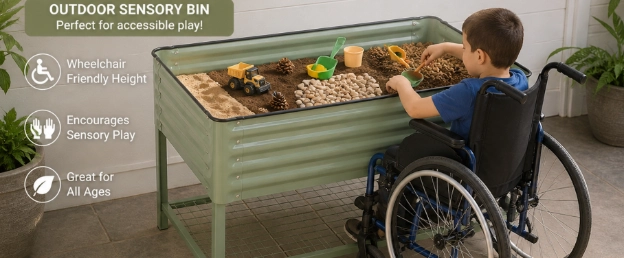
Whether you’re:
A senior gardener
Recovering from surgery
Living with arthritis
Managing chronic back pain
Using mobility aids
Gardening in a small urban space
Or simply trying to protect your joints long-term…
The VEGO elevated garden bed can make an enormous difference.
As both a physical therapist and a master gardener, I truly believe accessible gardening is not a luxury — it’s an investment in long-term health, independence, and quality of life.
And sometimes, something as simple as raising the garden a few feet off the ground is enough to help someone fall in love with gardening all over again.
Use my code at checkout for $10 off inthegardensue10
Articles you may be interested in:
VEGO Gardening in 2 feet with rolling Planter
Review of the 5 Best Garden Stools for Seniors
Disclosure: Some of the links in this article may be affiliate links, which can provide compensation to me at no cost to you if you decide to purchase.