
VEGO Garden Planter Review: Grow More in 2 Feet
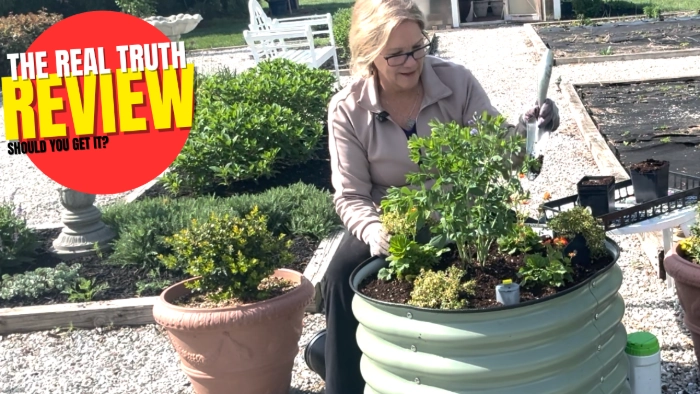
If you’ve ever struggled with shallow planters that limit what you can grow, this Rolling VEGO Raised Garden Planter might completely change how you garden on your porch, patio, or backyard.
What makes this planter stand out immediately is its full 2-foot depth, self-watering system, and mobility. Most containers simply don’t offer that kind of root space, and that opens the door to growing a much wider variety of plants successfully.
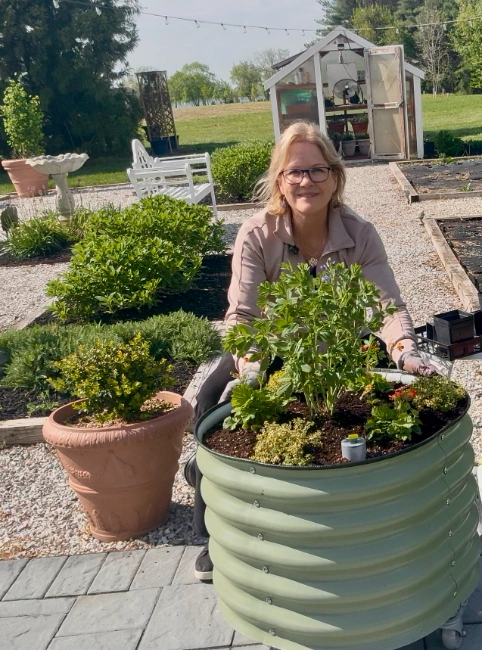
Let’s dig into what makes this planter unique and what actually thrives in it.
USE my $10 Exclusive Discount with
Promo Code: inthegardensue10 at checkout
Why Depth Matters (and Why This Planter is Different)
Most container gardens are limited by depth. Typical planters range from 6–12 inches deep, which only supports shallow to medium root systems.
But this planter gives you 24 inches, and that’s a game changer.
According to University of Maryland Extension, many large vegetables need at least 12–16 inches of soil, while deeper-rooted crops and shrubs benefit from even more space.
Examples of root depth needs:
Tomatoes: up to 24–36 inches
Potatoes: 18–24 inches
Peppers: 18–24 inches
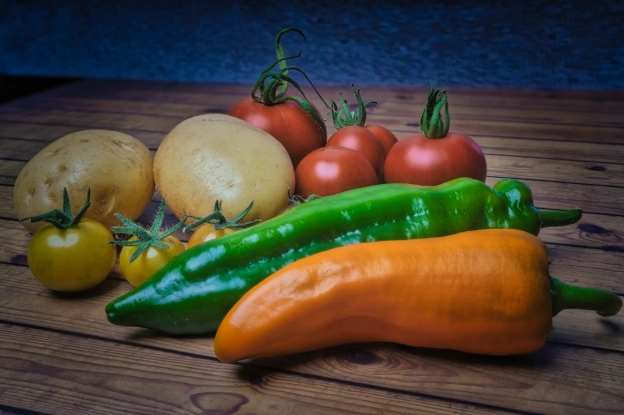
That means this planter finally gives roots the room they want, not just what they tolerate.
For a deeper breakdown of root systems, read my guide:
How Much Soil is Needed for Root Depth of Vegetables
For additional research on container gardening, see: University of Maryland Extension article about Container Growing for Vegetables
What You Can Grow in a 2-Foot Deep Planter
Because of the depth, this planter supports three categories of plants extremely well.
Deep-Rooted Plants (Best Use of This Planter)
This is where the planter really shines.
Tomatoes (especially indeterminate varieties)
Peppers
Eggplant
Potatoes
Carrots and parsnips
Squash and zucchini
These plants typically require 18–24 inches of soil, making this planter ideal.
Medium Root Plants
These still thrive beautifully and benefit from the extra soil stability.
Beans
Kale
Chard
Beets
Cabbage
Herbs like rosemary and parsley
The additional depth helps regulate moisture and temperature.
Shallow Root Plants (Yes, They Still Thrive)
A common question is whether shallow-rooted plants will struggle to reach the water.
Short answer: no, if the planter is designed well.
Lettuce
Spinach
Radishes
Basil
Flowers like petunias and marigolds
In a self-watering planter, moisture wicks upward through the soil, so roots do not need to reach the bottom reservoir.
In fact, deeper soil helps:
Buffer temperature swings
Prevent drying out
Reduce watering frequency
So shallow-rooted plants benefit from the added depth rather than being limited by it.
The Self-Watering System: Why It Works
This planter includes a built-in water reservoir, which changes everything for container gardening.
USE my $10 Exclusive Discount with
Promo Code: inthegardensue10 at checkout
Instead of watering from the top daily:
Water is stored below
Soil pulls moisture upward through capillary action
Roots access consistent moisture over time
This helps prevent overwatering, underwatering, and root stress.
According to University of Maryland Extension, proper drainage and consistent moisture are key factors in successful container gardening, especially for vegetables and flowering plants.
Shrubs and Perennials That Thrive in a 2-Foot Deep Planter
One of the biggest advantages of this planter is that it is not limited to vegetables. You can successfully grow shrubs and long-lived perennials, which is something most shallow containers struggle with.
Because you have 24 inches of soil depth, you can support plants with more developed root systems, better moisture retention, and improved hardiness.
Shrubs That Do Well
Look for compact or dwarf varieties:
Hydrangea (especially dwarf varieties)
Boxwood
Dwarf spirea
Dwarf butterfly bush
Compact roses (patio or drift roses)
Blueberry bushes
These shrubs benefit from consistent moisture, insulated root systems, and enough space to establish without becoming root-bound too quickly.
Perennials That Thrive in Deep Containers
Coneflower
Black-eyed Susan
Salvia
Coreopsis
Lavender (with excellent drainage)
Heuchera
Daylilies
Ornamental grasses
These develop stronger root systems, return year after year, and handle heat better in deeper soil.
Can You Grow Hydrangeas in This Planter
Yes, and this planter is actually a great option for them.
Hydrangeas typically need 18–24 inches of soil depth, which this planter provides. They also prefer consistent moisture, making the self-watering system a major advantage.
Best types for containers:
Bigleaf hydrangea
Panicle hydrangea (dwarf varieties like Bobo or Little Lime)
Mountain hydrangea
Things to keep in mind:
They are heavy feeders and need regular fertilizing
They may outgrow the container over time
In colder climates, roots need winter protection
Overall, hydrangeas are an excellent choice for this planter if you choose compact varieties.
USE my $10 Exclusive Discount with
Promo Code: inthegardensue10 at checkout
My Experience: Planting False Indigo (Was It a Good Choice)
I planted False Indigo in mine, and honestly, it is a bit of a mixed result.
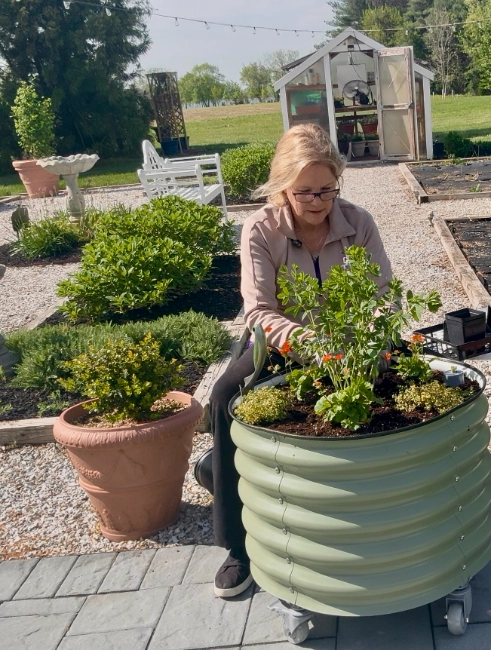
False indigo is a deep-rooted perennial that develops a long taproot over time. While the 2-foot depth helps, it really prefers being planted in the ground long-term.
It can grow in this planter short-term, but it is not the best long-term container plant.
Better choices would be dwarf shrubs, vegetables, or compact perennials. If you love false indigo, think of it as a temporary feature rather than a permanent planting.
Construction and Durability
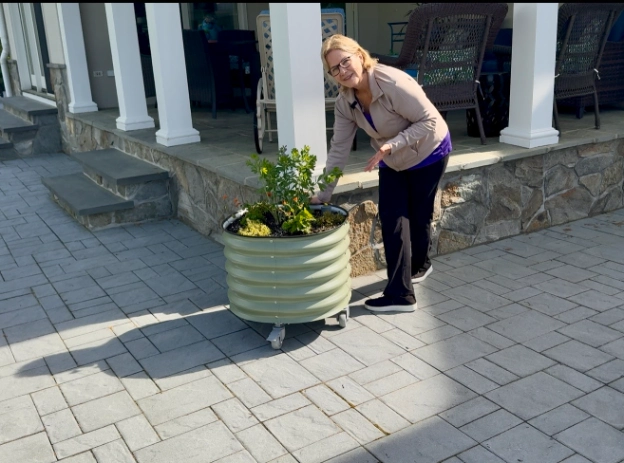
This planter is made of painted metal in an olive green finish, giving it both durability and style.
Key features:
Sturdy metal construction that holds large soil volume without bowing
Raised design that improves drainage and reduces strain
Wheels that make it easy to move heavy plantings
USE my $10 Exclusive Discount with
Promo Code: inthegardensue10 at checkout
A Quick Tip on Long-Term Success
Even with the added depth, plants are still in a container environment.
To keep them thriving:
Refresh soil each season
Divide or repot every few years
Fertilize regularly
This planter allows you to create a true mini landscape, not just a seasonal container.
Final Thoughts: Is It Worth It
This planter solves one of the biggest limitations in container gardening: lack of root space.
With its 2-foot depth, self-watering system, and mobility, it allows you to grow larger, healthier, more productive plants.
Best uses:
Vegetables like tomatoes and peppers
Small trees and shrubs
Mixed patio gardens
Not ideal for long-term deep taproot perennials like false indigo.
If you have been frustrated with shallow containers, this planter is a major upgrade.
USE my $10 Exclusive Discount with
Promo Code: inthegardensue10 at checkout
Other Great Articles:
Review of the 5 Best Garden Stools for Seniors
Review of 3 Best Garden Kneeler Seats for Seniors
The Best Hand Pruners for Arthritic Hands: A Review
Exploring The Best Long Handled Pruners for Senior Gardeners
Best Hand Pruners for Small Hands